

Welcome back to Artcade, the backlog that weighs more than a trekking backpack. If you don’t know what a backlog is, you have two options: click this link or consider yourself lucky and move on. With World Tour we keep using videogames as if we were already seasoned travelers, while in reality we’re on the couch in sweatpants.
I could have paired this piece with the album A Highland Song – Original Score by Laurence Chapman, who composed the game’s official OST, but I chose to leave you the playlist above, which also includes some tracks by Talisk and Fourth Moon. They are two Scottish bands that play modern folk, the kind that forces you to tap your foot at festivals even if you are emotionally numb. Not by chance, their songs have been dropped into specific moments in the game, where you really need that extra push. But we’ll get there. Enjoy the read!
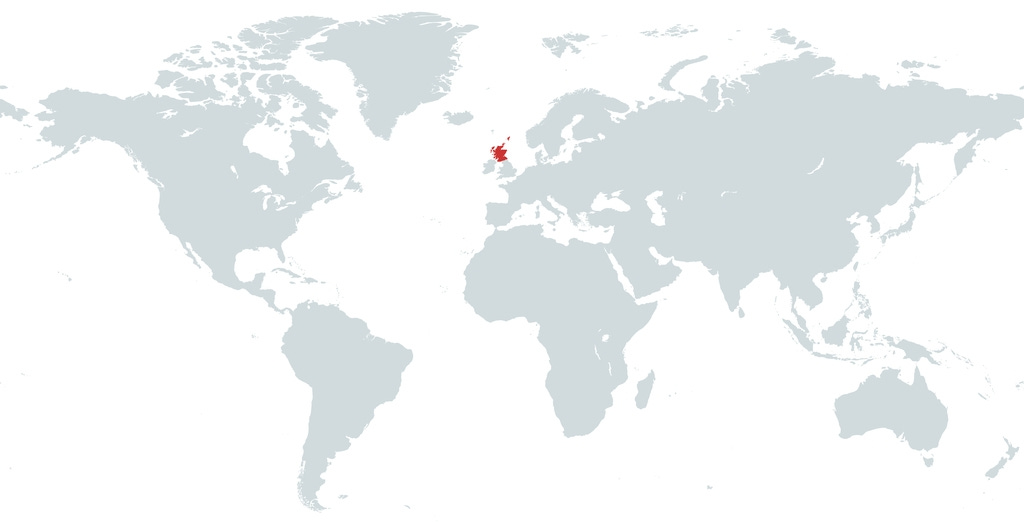
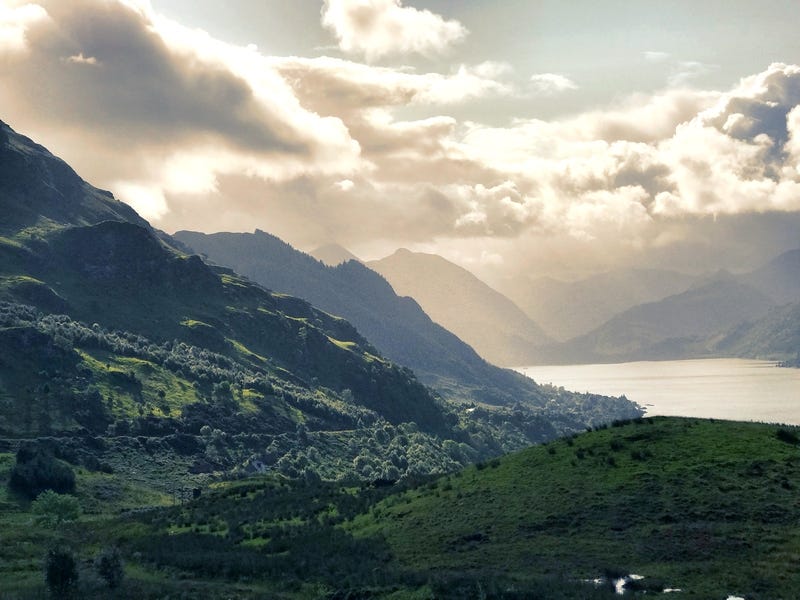
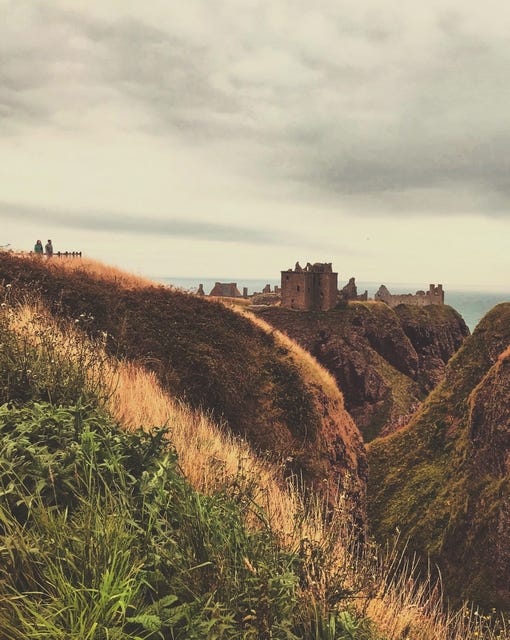
The red dot on the map is Scotland, but our destination is even more specific: the Scottish Highlands, that part of the country that seems to go overboard on purpose. Dark mountains rising out of the mist, valleys in aggressive shades of green, endless lochs pretending to be fjords, and weather that changes its mind every five minutes.
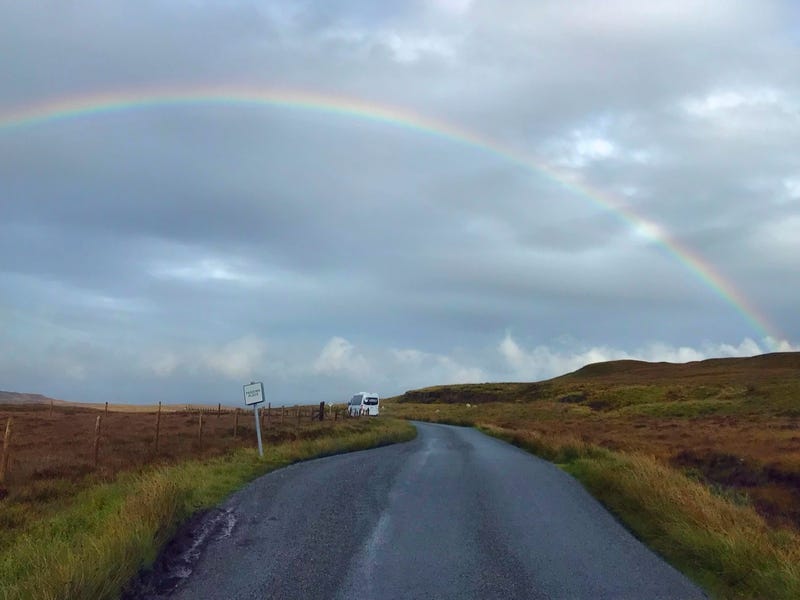
Roads often shrink into narrow ribbons climbing through moorland, sheep, and scattered cottages, while tiny villages cling to cold bays where the Atlantic slaps the coastline. It is a landscape carrying plenty of painful history (clans, uprisings, deportations, “clearances”), but today it has become the playground of hikers, photographers, and anyone who wants to feel very, very small.
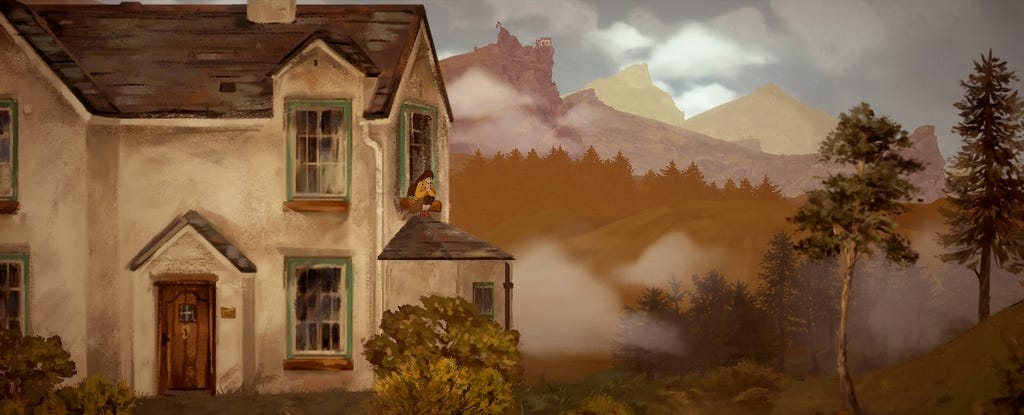
This is the setting of A Highland Song (because yes, there is a game we’re supposed to be talking about, remember?). The story itself is fairly simple: Moira McKinnon is fifteen and lives with her mother. When she receives a letter from her uncle inviting her to reach him at the lighthouse for the Beltane festival, Moira does not overthink it. She slips out through the window and leaves.
Beltane (or Là Bealltainn in Gaelic) is the festival that marks the start of summer. It’s celebrated on the first of May and signals the shift into the warm season. In the game it becomes our narrative deadline: we only have a few days to cross a chain of hills, peaks, and cliffs, reach the sea, and get to the lighthouse we glimpse in the opening titles.
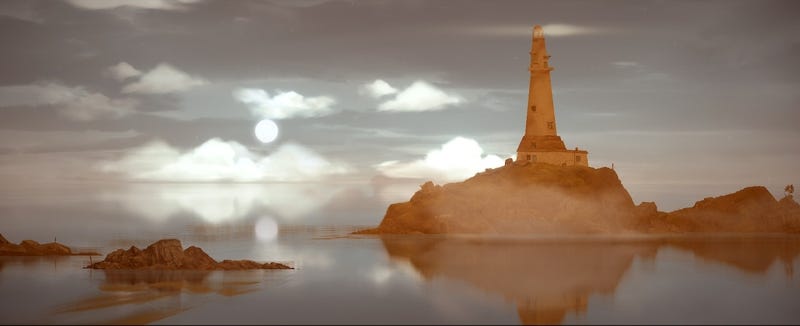
The lighthouse itself is a classic feature of the Scottish landscape. They are scattered all over the coastline, and there are some brilliant museums where you can get a better idea of the (nightmarish) life of lighthouse keepers before electricity. On top of living in one of the most isolated places on Earth by definition, the keeper had to constantly clean the lenses, blackened by coal or oil combustion.


The road Moira follows (and we follow with her) to reach the lighthouse is not exactly flat. Moving around in certain parts of Scotland means going up and down hills and mountains, and that has a name: hillwalking. This is not brochure-friendly hiking. Hillwalking is a very popular pastime among people who look just like everyone else during the week and work at McDonald’s or at the post office, then vanish into the landscape with a backpack at the weekend. (Some people also work on weekends, but that’s another story.)
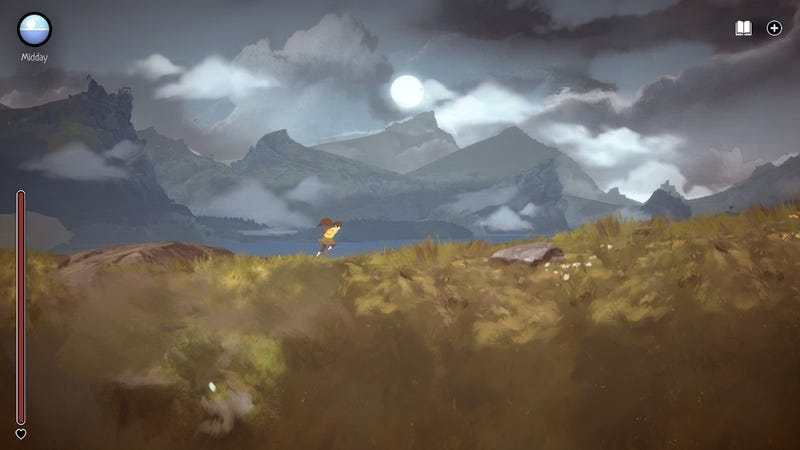
A Highland Song takes the hillwalking mentality and turns it into game design. There is no single “correct” path, there are a thousand possible lines through the mountains. Some are long and gentle, others are short but demand annoying climbs, steep descents, and routes with a very small margin for error.
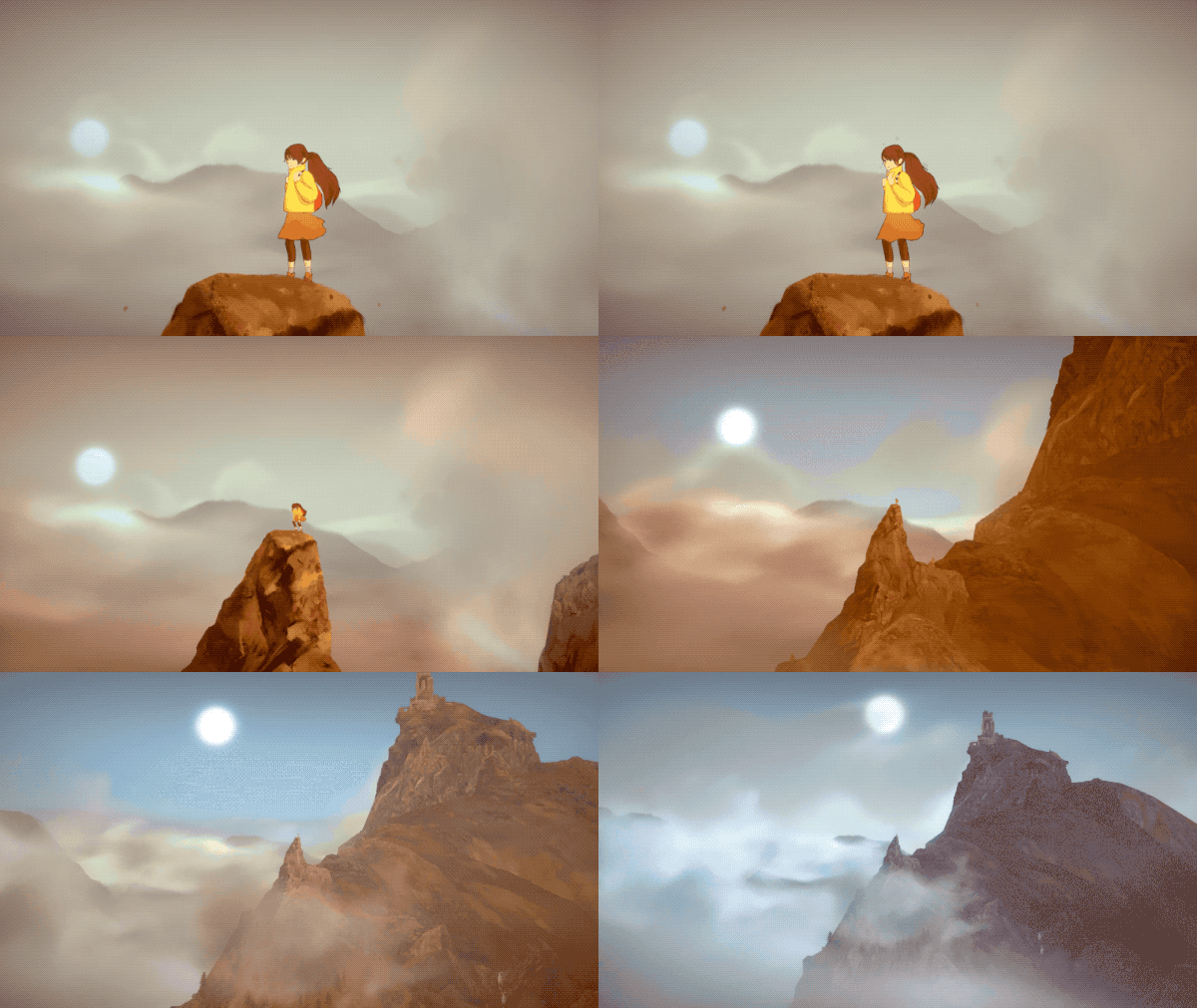
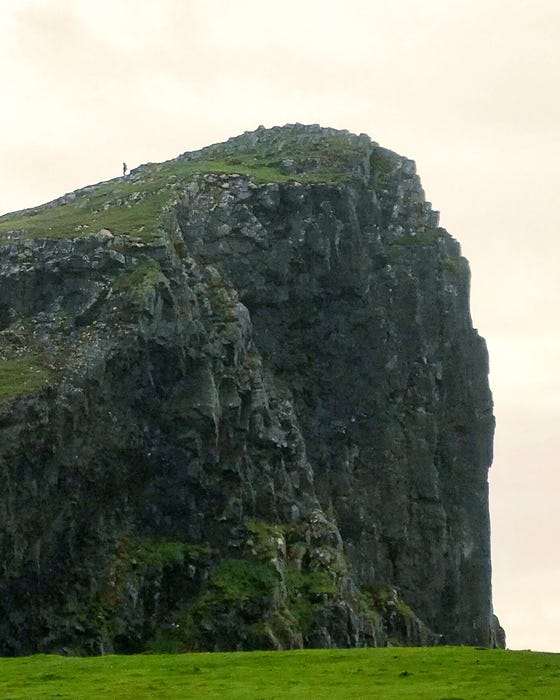
In A Highland Song we conquer peak after peak, a miniature version of Munro bagging. I realize this might need some unpacking; unless you’re Scottish, it’s unlikely you instinctively know what a Munro is. Munros are Scottish mountains over 3,000 feet, recorded for the first time at the end of the nineteenth century by Sir Hugh Munro, hence the name. Doing “Munro bagging” means trying to climb them all, ticking them off one by one from the list. (Side note: peak bagging is a thing all over the world, even in Taiwan. Everyone assembles their own list of peaks, then goes off to conquer them.)
The game doesn’t ask you to collect every summit. They’re not Pokémon. But the feeling is similar: every time we start a run we can tweak our route a little, unlock new passages, go back to a peak just to try a faster path. At some point the lighthouse stops being the only objective in our mind. We’re getting to know a small portion of the Highlands with the same obsession a Munroist has for every ridge line.
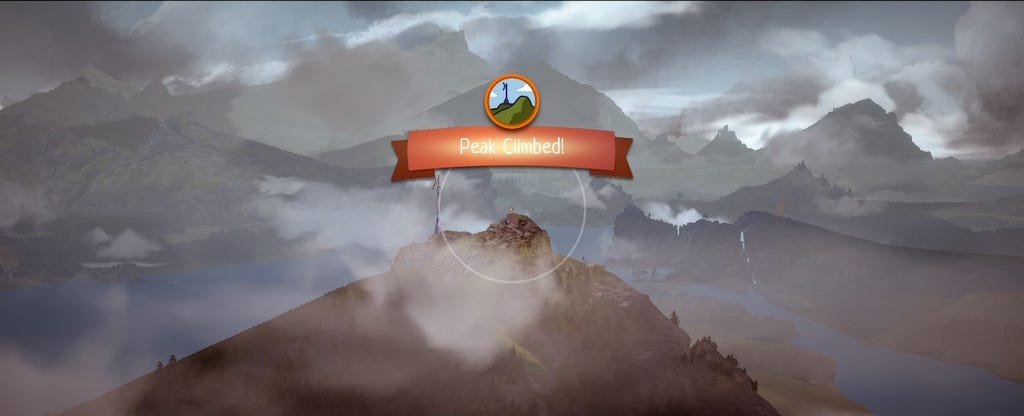
Most of the time in A Highland Song, exploration has a slow rhythm. Moira climbs a ridge and we guide her upwards. Until we pick the wrong edge and get stuck on a cliff face that in our head definitely had a way through. The difficulties are part of the journey, along with those moments when the path suddenly opens up, Talisk or Fourth Moon kick in, and the game turns into a rhythmic run.

Sometimes in these musical sprints we’re joined by a deer (a hind, really, since she doesn’t have antlers). It’s a moment to forget the health bar for a while. And to forget the bad weather. Because this is still Scotland. The weather is not here to be your friend.
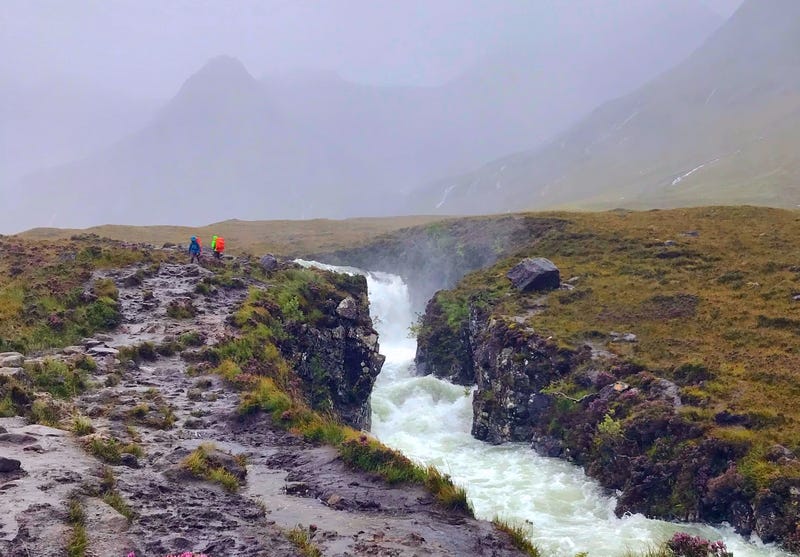
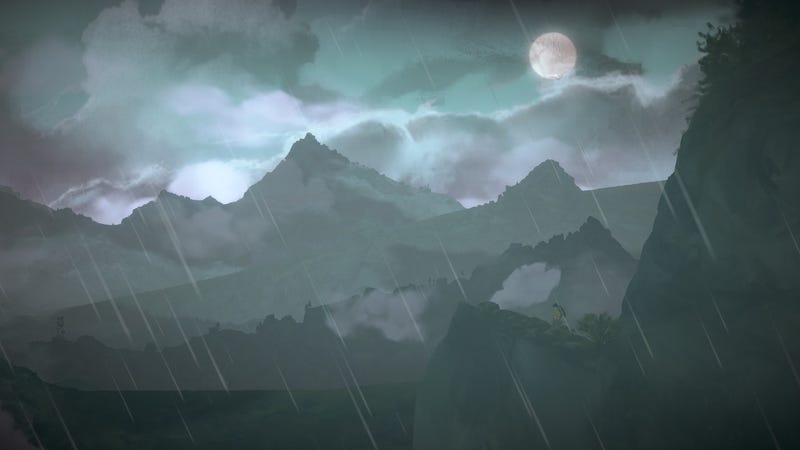
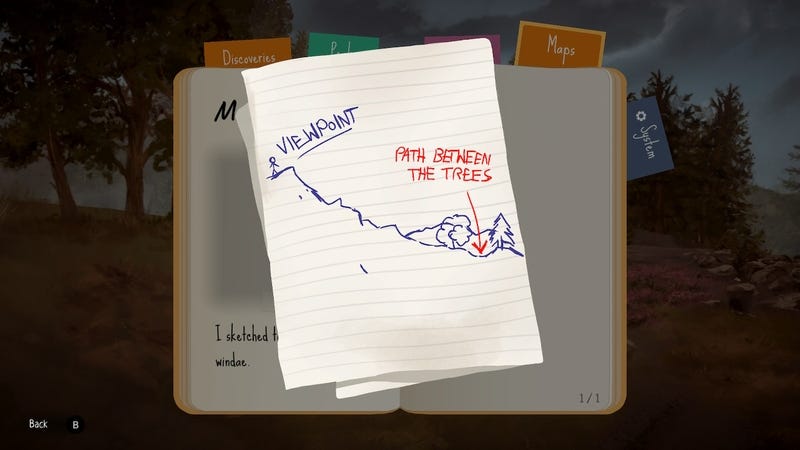
To shelter from wind and rain and restore her energy, Moira can sit down, but how much she recovers depends on where she stops. The more exposed she is to the fury of the elements, the less she’ll actually rest. Ideally, you want to find a bothy, four walls and a roof freely available to hikers. Sometimes, in the game, you’ll need to solve small puzzles to get into these shelters, other times they become an opportunity for interesting encounters. After waking up it’s time once again to fit a new map fragment onto the landscape, like assembling a jigsaw puzzle with no frame.
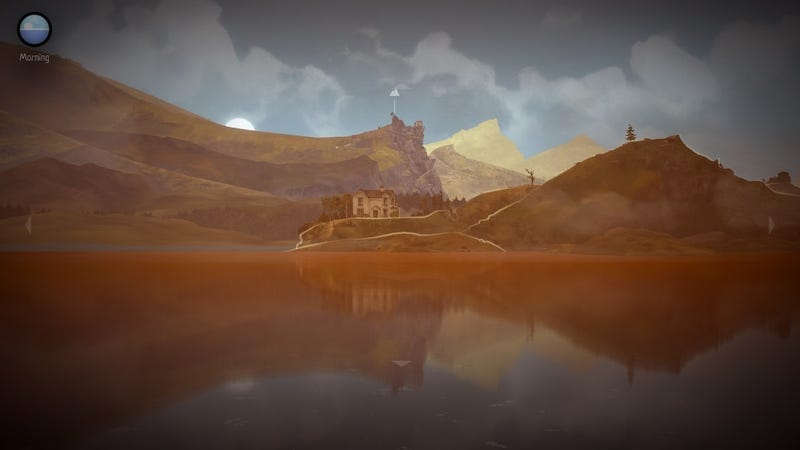
inkle Ltd. (2023) A Highland Song [Video game] [Adventure, Platformer] [4 Hours] (Nintendo Switch) [Windows] inkle Ltd.
My last two coins
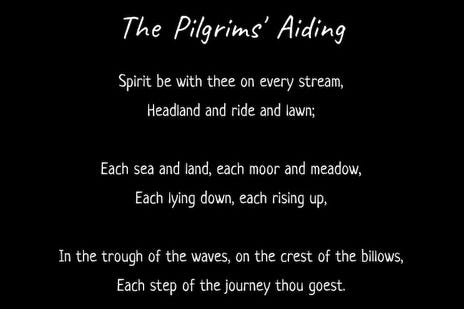
This time I’ll let the invocation that opens the game do the talking. It’s a text from the Carmina Gadelica, collected by Alexander Carmichael. It’s a late-nineteenth-century anthology packed with “prayers, hymns, spells, blessings, poems, songs, proverbs, lexical items, historical anecdotes, and observations on natural history” basically everything, and I do mean everything, to do with Gaelic-language folklore. Alexander Carmichael was a tax collector, and this may well have been his way of making the job a bit more bearable.
The tax collector heard this blessing from one Mary MacDonald, crofter of South Uist, said to possess the “second sight.” A crofter was a tenant farmer who worked a small plot of land. As for the “second sight,” well, in Highland folklore if someone has the second sight they can perceive events that are far away or yet to come. Personally, I would trust whatever she says.
There are a few differences from the original text. At the beginning there was an explicit reference to God and Jesus. And in the second stanza one word changes: in the book the line reads “ridge,” but in the game it has become “ride.” Whether that is a typo or a deliberate tweak doesn’t really matter. Where the original lists a shape of the land, the A Highland Song version seems to nudge the focus toward the route itself. Mary’s blessing ends up fitting Moira perfectly. It doesn’t just bless the places she crosses, it blesses the journey itself.
Until the next episode, ciao!